
Structural racism is largely to blame for the excess cases of tuberculosis (TB) in the United States, a new study claims.
TB is the world’s most deadly infection, killing 1.5 million people every year, despite being a preventable and curable disease.
Researchers are trying to determine what’s behind the current rise in cases and whether certain groups are more affected than others.
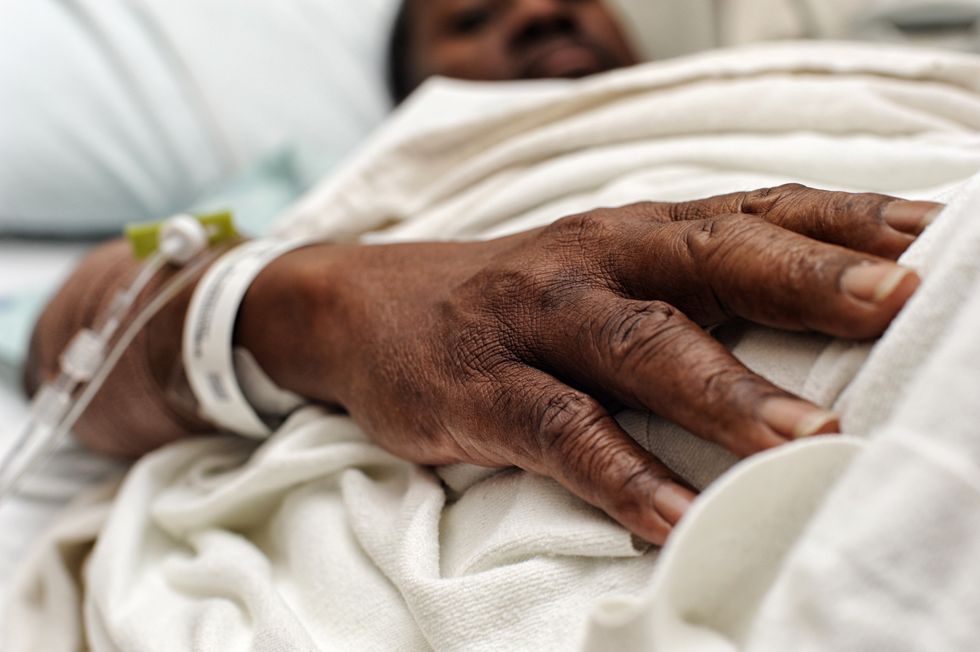
Surveillance data found continuing, persistent disparities in TB incidence among racial and ethnic minorities
Getty Images
To this end, researchers sifted through national tuberculosis (TB) surveillance data held on different populations in the US. Their analysis is published in the Annals of Internal Medicine.
The researchers found continuing, persistent disparities in TB incidence among US-born racial and ethnic minorities, despite an overall decrease in cases observed during the analysis period.
As they explain, social determinants of health affect TB incidence among those born in the country. In this case, the researchers concluded that structural racism is largely to blame.
Researchers from Harvard T.H. Chan School of Public Health and the Centers for Disease Control and Prevention (CDC) conducted a time-series analysis of US-born persons diagnosed with TB stratified by race/ethnicity using national TB registry data for 2011 to 2021.
They found that TB incidence ratios were 4.4 to 14.2 times higher for persons who self-identified as American Indian/Alaska Native, Asian, Black, or Hispanic compared with non-Hispanic White US-born persons.
Relative disparities were greater for females, younger persons, and TB attributed to recent transmission, but absolute disparities were greater for males. The index of disparity was estimated to be 82 percent for females and 71 percent for males, indicating greater relative racial/ethnic disparities in TB incidence among females than males.
According to the authors, addressing these disparities in TB incidence is necessary for achieving health equity goals. Reducing barriers to TB prevention activities and ensuring that all persons have access to affordable and effective TB services are essential for accelerating progress toward population-level TB elimination.
The authors of an accompanying editorial from Emory University suggest that data from this analysis may offer insight into possible deployment of targeted efforts by city and state TB prevention and control programs.
The data could also inform updated guidance on expanding early detection and care of groups with high risk for TB. The authors urge practitioners to promote culturally sensitive approaches to TB screening and early case detection and care to help overcome the prevailing racial/ethnic disparities.

Symptoms of TB include a cough that lasts more than three weeks
GETTY
What is TB?
TB is a bacterial infection that usually affects the lungs. Most infections are airborne. You can contract it from bacteria coughed up by another person with the infection.
Common symptoms of TB disease include:
The BCG vaccine helps protect against TB. The main treatment is to take antibiotics for at least six months.
24World Media does not take any responsibility of the information you see on this page. The content this page contains is from independent third-party content provider. If you have any concerns regarding the content, please free to write us here: contact@24worldmedia.com

Do you believe the Covid vaccine had negative side effects? VOTE HERE

Latest Google layoffs hit the Flutter and Python groups

‘Women’s rights have been attacked constantly!’

Here’s your chance to own a decommissioned US government supercomputer

AWS S3 storage bucket with unlucky name nearly cost developer $1,300

FTC fines Razer for every cent made selling bogus “N95 grade” RGB masks

Apple confirms bug that is keeping some iPhone alarms from sounding

Roundtables: Inside the Next Era of AI and Hardware

Supplements: Ginkgo biloba boosts memory