Experts are urging the general public to stay alert to the warning signs of type 2 diabetes after newly-released figures from the Office for National Statistics (ONS) show that one million Britons are currently living with the condition without realising it.
It comes after a 2023 analysis by Diabetes UK estimated that 4.3 million people were living with a diabetes diagnosis in the UK.
The latest statistics are shocking but surprising: the symptoms of type 2 diabetes can be subtle at first and many people will not experience any.
This makes the condition highly pernicious as extremely high blood sugar levels – the hallmark of type 2 diabetes – can lead to a “dangerous” complication called hyperosmolar syndrome, warns Harvard Health.

Extremely high blood sugar levels can induce a coma
Getty Images
Hyperosmolar syndrome is a life-threatening form of dehydration.
“In some cases, hyperosmolar syndrome is the first sign that a person has type 2 diabetes. It causes confused thinking, weakness, nausea and even seizure and coma,” Harvard Health explains.
In addition to increased thirst, other warning signs include:
Unfortunately, these symptoms often go unnoticed, as Nikki Joule, policy manager at Diabetes UK, explained: “Type 2 diabetes is a life-changing condition that often develops slowly, especially in the early stages, when it can be very difficult to spot the symptoms.”
What the latest ONS data shows
Using data from the Health Survey for England 2013 to 2019, the ONS estimates that seven percent of people over the age of 16 show evidence of type 2 diabetes, although three in ten, or about one million, were not diagnosed.
Some 50 percent of people aged 16 to 44 were undiagnosed compared with 27 percent aged 75 and over.
ONS figures also showed that pre-diabetes, when blood sugars are higher than usual, but not high enough for a diabetes diagnosis, affects about 5.1 million adults in England.
Those most likely to develop the condition had known diabetes risk factors such as being overweight or older.
However, the ONS said there was “considerable prevalence” in people considered at low risk of pre-diabetes, including four percent of people aged 16 to 44 and eight percent who were not overweight or obese.
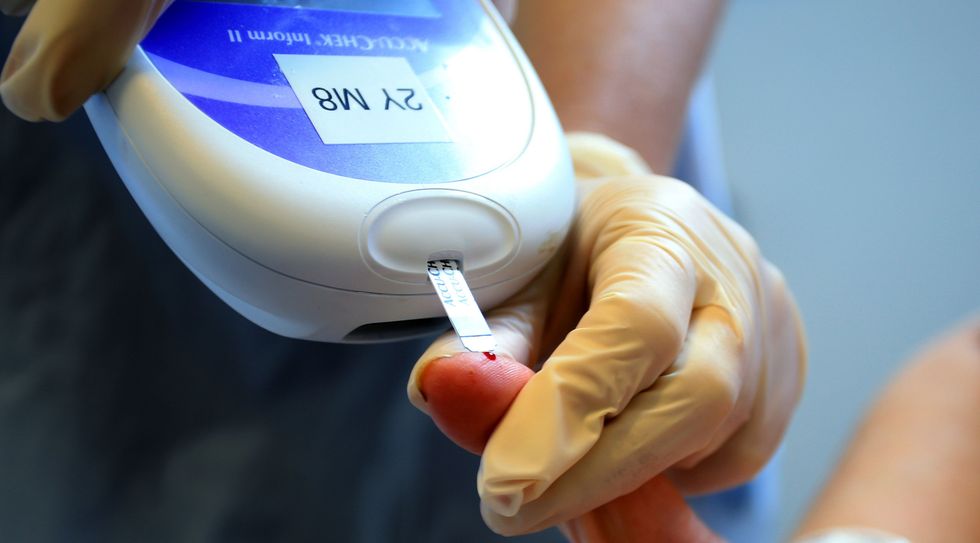
Those most likely to develop the condition had known diabetes risk factors such as being overweight or older
PA
Those from black or Asian groups also faced more than double the risk of pre-diabetes at 22 percent compared with 10 percent of people from white, mixed and other ethnic groups.
Type 2 diabetes overall was higher among black and Asian people at five percent.
Ms Joule added: “The figures published today by ONS reveal a shockingly high number of people living with type 2 diabetes without a diagnosis, while millions more are at high risk of developing it.
“We’re particularly concerned about the prevalence of pre-diabetes and undiagnosed type 2 diabetes in people from black and Asian backgrounds, and the worrying proportion of younger people who are undiagnosed, as we know type 2 diabetes is more aggressive in younger people.
“The findings are a reminder of just how important it is for type 2 diabetes to be detected and diagnosed as early as possible, so people can get treatment and support to reduce the risk of devastating complications and, importantly, be offered remission programmes where appropriate.”
24World Media does not take any responsibility of the information you see on this page. The content this page contains is from independent third-party content provider. If you have any concerns regarding the content, please free to write us here: contact@24worldmedia.com
Do you believe the Covid vaccine had negative side effects? VOTE HERE

Latest Google layoffs hit the Flutter and Python groups

‘Women’s rights have been attacked constantly!’

Here’s your chance to own a decommissioned US government supercomputer

AWS S3 storage bucket with unlucky name nearly cost developer $1,300

FTC fines Razer for every cent made selling bogus “N95 grade” RGB masks

Apple confirms bug that is keeping some iPhone alarms from sounding

Roundtables: Inside the Next Era of AI and Hardware

Supplements: Ginkgo biloba boosts memory