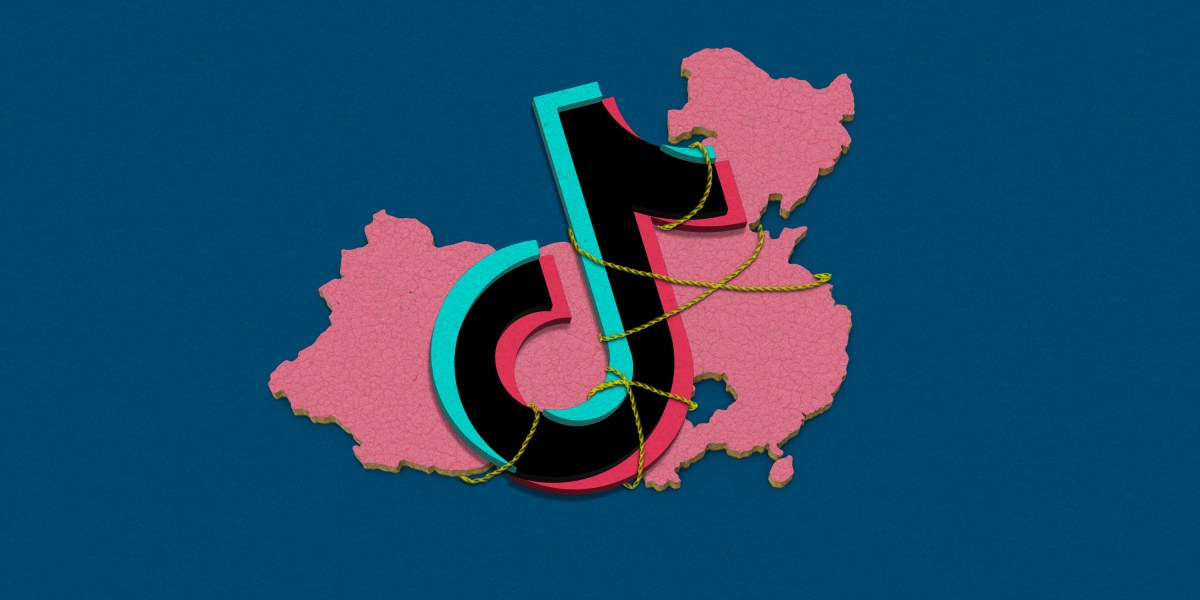
1. Two influential Chinese bloggers in exile have been sharing uncensored news about the country on overseas social media. Now the police are tracking down their followers in China, one by one. (Associated Press)
2. Leaked internal documents from a Chinese cybersecurity firm suggest it has been surveilling ethnic minorities in China and neighboring countries on behalf of the Chinese government. (Wall Street Journal $)
3. It’s been years since I heard that Shein, the viral fast-fashion brand, wanted to go public. But it seems it will need to wait longer. The company is now considering listing in London, since it’s worried the US Securities and Exchange Commission won’t approve its IPO. (Bloomberg $)
4. To diversify its supply chain away from China, Google is starting to make its Pixel smartphones in India. (Nikkei Asia $)
5. Oops—TikTok is having another small problem in the US. Its New York City office has been infested with bedbugs. (The Information $)
6. Nvidia just identified Huawei as one of its top competitors in making chips used for artificial intelligence. (Reuters $)
7. A few Chinese policies have been points of contention in US-China relations—they promote the two-way transfer of military-civil technologies and drive out foreign players in cloud infrastructure. Now it’s reported that a think tank led by McKinsey advised the Chinese government in drawing up these policies. (Financial Times $)
Chinese drugmakers are hot on the international market now, but it’s not necessarily a good thing for the domestic biotech industry. According to the Chinese publication Caixin, Chinese pharmaceutical companies set a new record in 2023 for licensing their innovative treatments to foreign companies. And in just the first month of 2024, they sold another 15 licensing deals, totaling over $10 billion in prospective revenue.
It’s certainly a testament to the research capabilities of Chinese pharmaceutical companies, but company executives told Caixin it’s also a result of the industry’s urgent need for cash. Since 2019, Chinese biotech companies have found it increasingly harder to raise money, and the amount of venture investment in biotech keeps falling. To survive the capital crunch, some biotech companies are forced to sell their research progress for cheap to multinational giants. While these deals can provide temporary financial relief, the industry is still waiting for macro trends to become favorable again.
In last week’s newsletter, I mentioned that a knockoff version of Apple’s Vision Pro is sold in China now. Well, there’s another way for Apple fans to experience the VR technology without paying the hefty price, according to the South China Morning Post: savvy merchants are renting out the headsets they bought abroad. For $13.60, anyone can try it out for one hour. More than 10,000 people have paid for the privilege.
24World Media does not take any responsibility of the information you see on this page. The content this page contains is from independent third-party content provider. If you have any concerns regarding the content, please free to write us here: contact@24worldmedia.com
Do you believe the Covid vaccine had negative side effects? VOTE HERE
Latest Google layoffs hit the Flutter and Python groups

‘Women’s rights have been attacked constantly!’

Here’s your chance to own a decommissioned US government supercomputer

AWS S3 storage bucket with unlucky name nearly cost developer $1,300
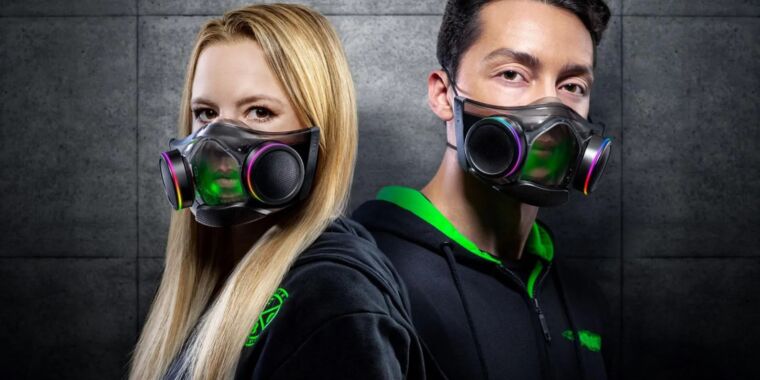
FTC fines Razer for every cent made selling bogus “N95 grade” RGB masks

Apple confirms bug that is keeping some iPhone alarms from sounding

Roundtables: Inside the Next Era of AI and Hardware

Supplements: Ginkgo biloba boosts memory