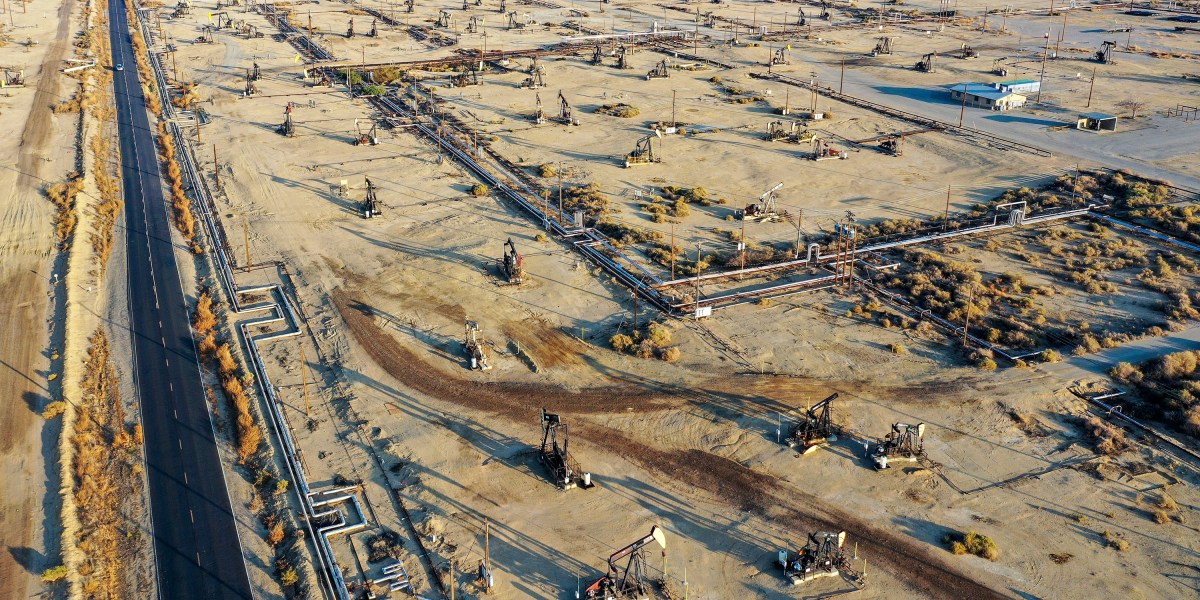
Once in orbit, MethaneSAT’s software and spectrometers, which measure different wavelengths of light to detect methane, will pinpoint both concentrated locations for methane plumes as well as the broader areas where the gases diffuse and spread. It will also use Google’s image detection algorithms to create the first comprehensive, global map of the oil and gas industry’s infrastructure, like pump jacks and storage tanks, where leaks most commonly occur.
“Once those maps are lined up, we expect people will be able to have a far better understanding of the types of machinery that contribute most to methane leaks,” says Yael Maguire, who leads geo-sustainability efforts at Google.
This tool could solve a significant stumbling block for methane researchers, according to Rob Jackson, professor of Earth system science at Stanford. There are millions of oil and gas operations around the world, and information about where many of these facilities are located is tightly guarded, and where available, expensive to access. Some countries also block researchers from studying their infrastructure or using low-flying planes to measure emissions. With satellites, that may change.
“I think AI is the future of this field, where we should be creating databases of all these infrastructure types,” says Jackson, as measuring plumes from space sidesteps much of the oil and gas industry’s opaqueness on Earth. “One door that satellites are unlocking is the ability to peer everywhere. There will be nowhere to hide, eventually.”
The MethaneSAT collaboration comes at a time when governments around the world are taking stronger stances on reducing methane leaks. Fueled by the momentum of COP28 in December, the Biden administration announced a new set of rules in December that will require more monitoring and repair of leaks. In January, the administration also proposed a fine against companies for excess methane, though that rule has not been finalized and is being fought by the industry. The European Union also agreed to stricter standards in November.
24World Media does not take any responsibility of the information you see on this page. The content this page contains is from independent third-party content provider. If you have any concerns regarding the content, please free to write us here: contact@24worldmedia.com
Do you believe the Covid vaccine had negative side effects? VOTE HERE
Latest Google layoffs hit the Flutter and Python groups

‘Women’s rights have been attacked constantly!’

Here’s your chance to own a decommissioned US government supercomputer
AWS S3 storage bucket with unlucky name nearly cost developer $1,300
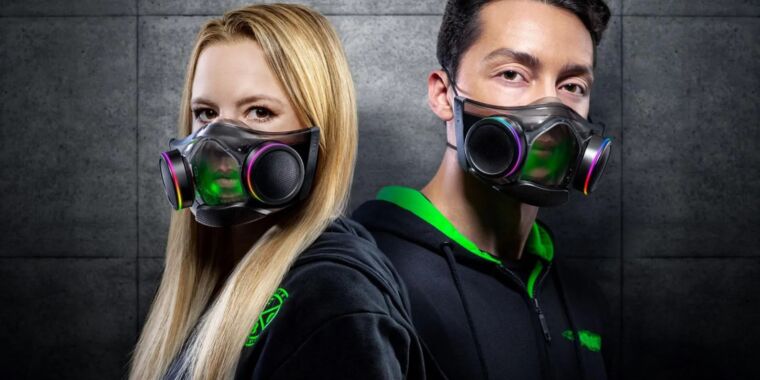
FTC fines Razer for every cent made selling bogus “N95 grade” RGB masks

Apple confirms bug that is keeping some iPhone alarms from sounding

Roundtables: Inside the Next Era of AI and Hardware

Supplements: Ginkgo biloba boosts memory