
A major new study has spotted subtle changes in the body that may precede an Alzheimer’s disease diagnosis by decades.
The finding raises the hope of one day stopping brain decline dead in tracks, and the stakes could not be higher.
Dementia is the leading cause of death in the UK and the threat is growing as the population gets older.
There are currently 900,000 people living with dementia in the UK and this is projected to rise to 1.6 million by 2040.
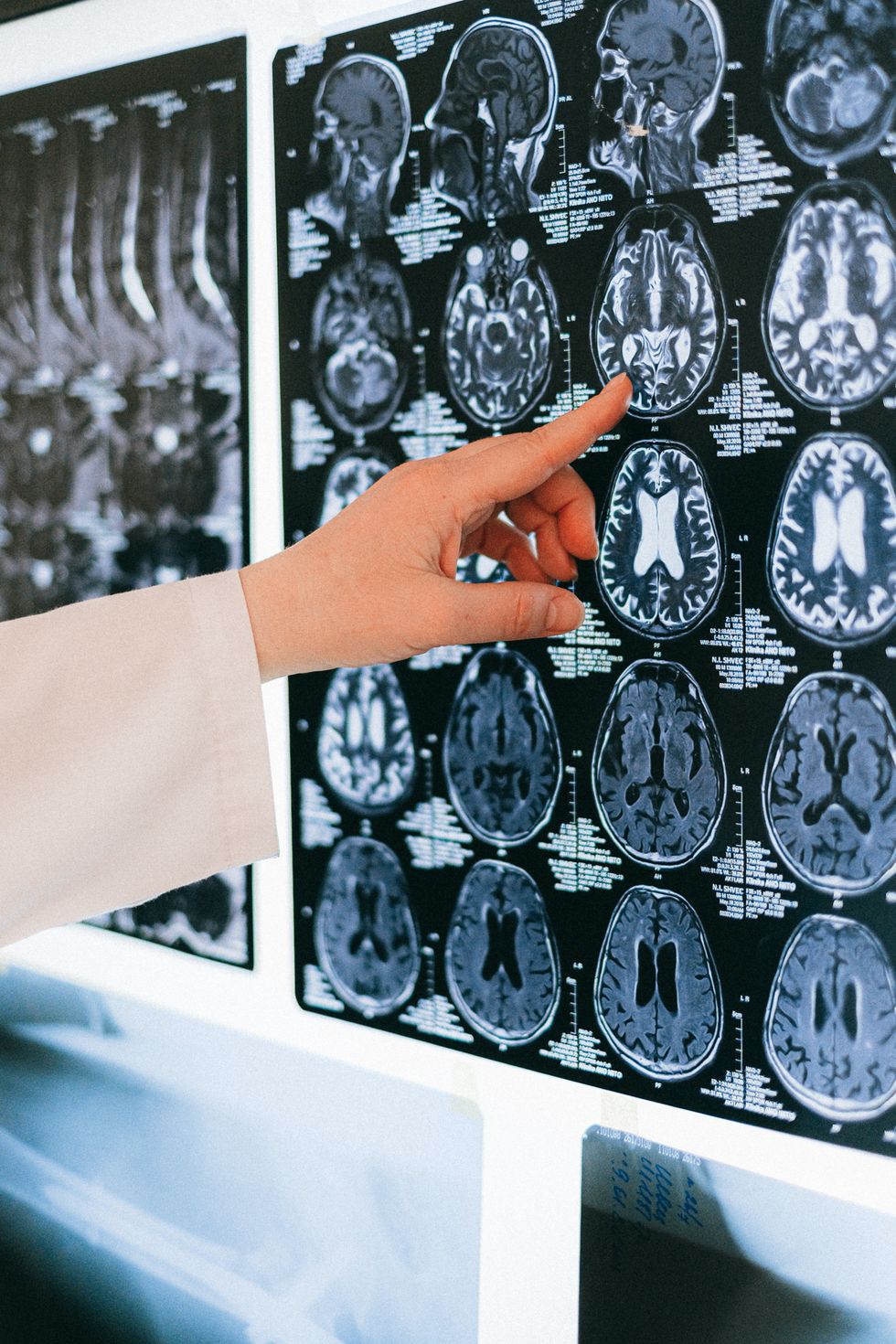
Researchers detected beta-amyloid clumps a few years after noticing proteins in spinal fluid
Pexels
Short of a cure or known prevention, researchers are turning their attention to early intervention.
Memory loss is often the first sign of Alzheimer’s disease – the leading cause of dementia – that leads to a diagnosis.
However, researchers have now managed to track a timeline of changes in the body that may precede Alzheimer’s by 18 years.
A large study in China tracked middle-aged and older adults for 20 years, using regular brain scans, spinal taps and other tests.
Compared to those who remained cognitively healthy, people who eventually developed the devastating brain disease had higher levels of an Alzheimer’s-linked protein in their spinal fluid 18 years prior to diagnosis, researchers reported Wednesday.
Then every few years afterward, the study detected another so-called biomarker that’s thought to play a role in the development of Alzheimer’s: beta-amyloid.
This is a sticky protein that forms plaques in the brain. Amyloid is thought to be toxic to brain cells although which size clump causes these cells to die is still being studied. The damage to and eventual death of these brain cells is what leads to dementia.
The new study, published in the New England Journal of Medicine, offers a window into how these abnormalities pile up.
Researchers with Beijing’s Innovation Center for Neurological Disorders compared 648 people eventually diagnosed with Alzheimer’s and an equal number who remained healthy.
The amyloid finding in future Alzheimer’s patients was the first, 18 years or 14 years prior to diagnosis depending on the test used.
Differences in tau were detected next. Tau is one of the main proteins thought to interfere with the communication between brain cells in certain dementias.
A few years after that, differences in brain shrinkage and cognitive test scores between the two groups became apparent, the study found.
Amyloid controversy
It’s important to note that the amyloid theory sparked controversy last year after it was alleged that some results from a study looking at a specific type of amyloid protein were falsified and now the reliability of the study has come into question.
Allegations of this kind in research are taken extremely seriously in the research community but are thankfully very rare.
And the research into the amyloid hypothesis is robust and continues to be supported by a scientific consensus.
Controversies aside, the latest study deepens our understanding of how Alzheimer’s develops and what might be done to thwart it.
“The more we know about viable Alzheimer’s treatment targets and when to address them, the better and faster we will be able to develop new therapies and preventions,” said Claire Sexton, the Alzheimer’s Association’s senior director of scientific programs.
She added that blood tests are coming soon that promise to also help by making it easier to track amyloid and tau.

Please write at least 2 paragraphs
Please write at least 1 paragraphs
24World Media does not take any responsibility of the information you see on this page. The content this page contains is from independent third-party content provider. If you have any concerns regarding the content, please free to write us here: contact@24worldmedia.com

Do you believe the Covid vaccine had negative side effects? VOTE HERE

Latest Google layoffs hit the Flutter and Python groups

‘Women’s rights have been attacked constantly!’

Here’s your chance to own a decommissioned US government supercomputer

AWS S3 storage bucket with unlucky name nearly cost developer $1,300

FTC fines Razer for every cent made selling bogus “N95 grade” RGB masks

Apple confirms bug that is keeping some iPhone alarms from sounding

Roundtables: Inside the Next Era of AI and Hardware

Supplements: Ginkgo biloba boosts memory