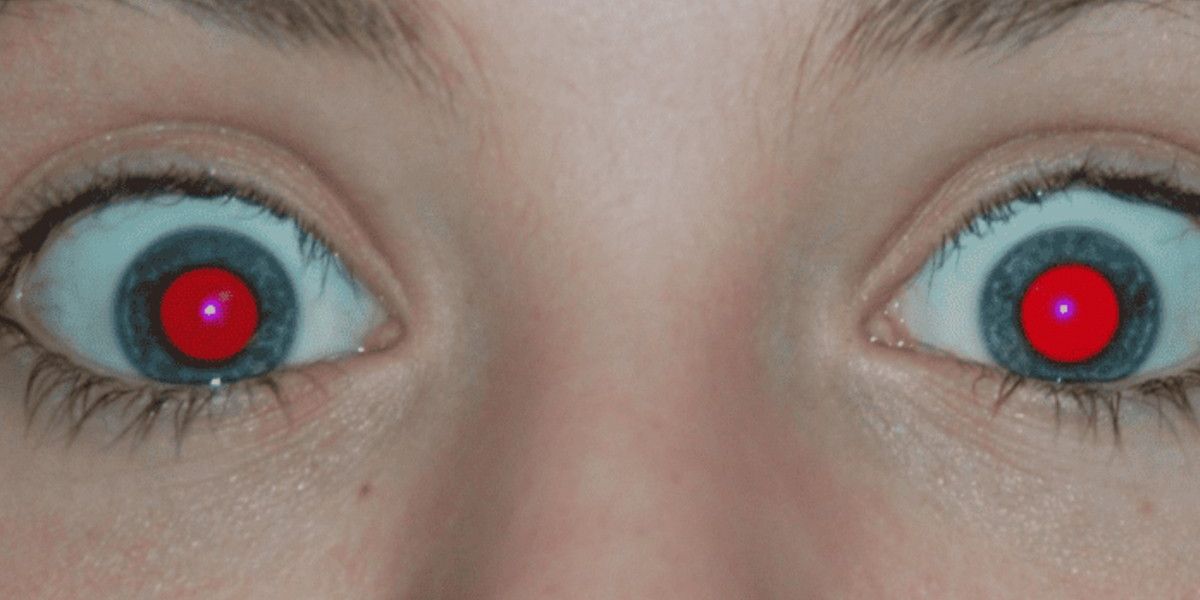
Red eyes may ruin photos but they offer a positive snapshot of your health, experts say.
That’s because cameras catch what’s happening behind the scenes.
The flash lights up the inside of your eyes and captures the red blood vessels.
As the American Academy of Ophthalmology explains, “a red reflex happens when the flash of a camera lights up the blood-rich retina”.
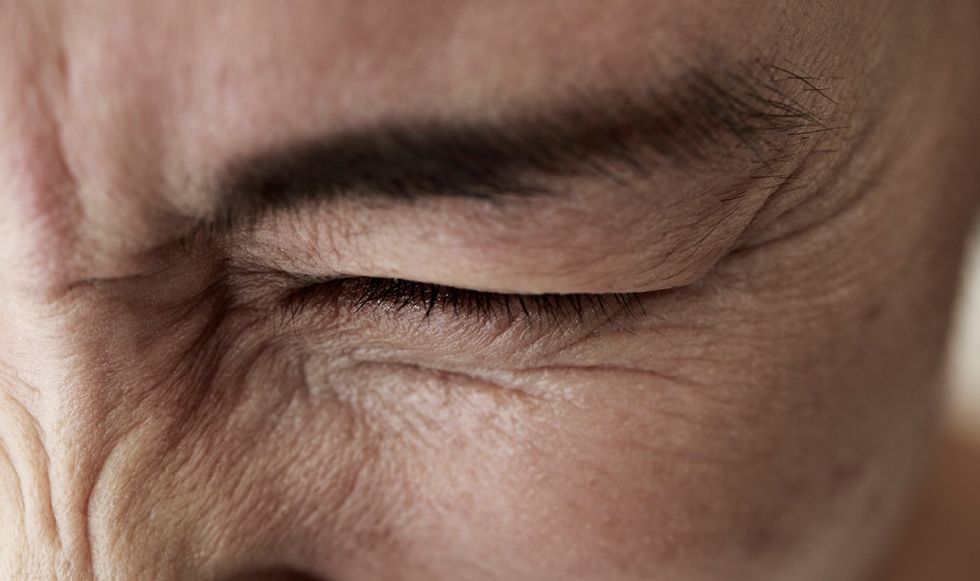
Persistent blurred or double vision could signal the eyes are pointing in different directions
Getty Images
The health body added: “If the eyes are looking directly at the camera lens and the colour of the reflex in both eyes is red, that’s usually a good sign the retinas of both eyes are unobstructed and healthy.”
Ironically, an absence of red in the eye may spell something is seriously wrong.
For instance, cases where one eye is less red than the other — medically termed asymmetrical red reflex — could signal strabismus, a disorder where the eyes point in different directions.
This effect is caused by problems with the muscles that control eyeball movement.
It’s important to get act on the warning signs of strabismus as soon as possible as it could lead to further problems if left untreated, such as:
Surgery can help improve the alignment of the eyes even if a squint has been left untreated for a long time, but any vision problems may be permanent if they are not treated at a young age.
Furthermore, purely white eyes can signal a rare type of cancer called retinoblastoma, or eye cancer.
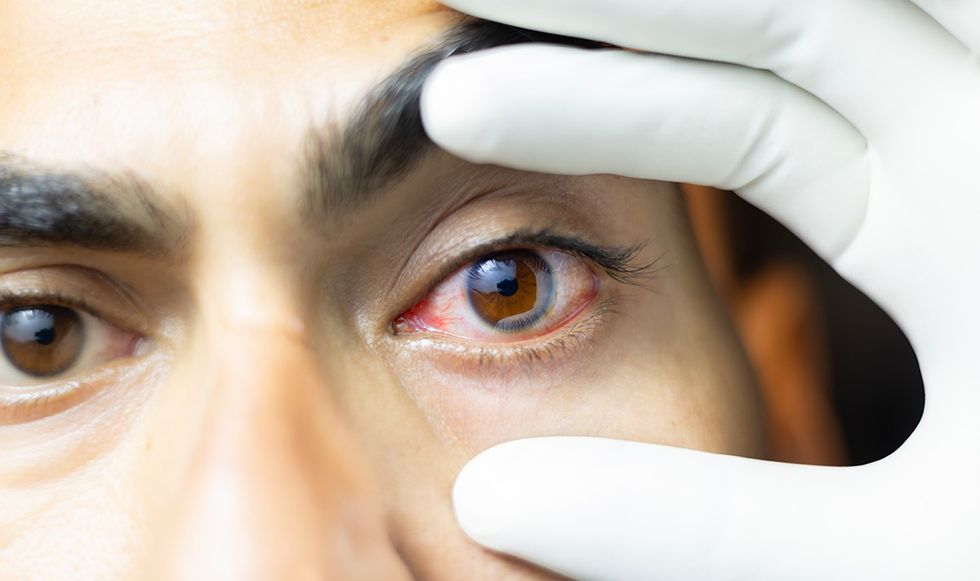
Pain in one or both eyes can signal a rare type of eye cancer
Getty Images
Retinoblastoma is a rare type of eye cancer that can affect young children. It affects the retina, which is at the back of the eye.
The main symptom is a white glow or white reflection in the centre of the eye (pupil).
You may be able to see it from just looking at the eye, or you may see it in low light or in photos where a flash has been used.
Other signs include:
What’s more, a yellow or white pupil can signal Coats’ disease – an abnormality of the blood vessels in the back of the eye.
If Coats’ disease affects the centre of the retina (macula) or leads to total retinal detachment in the affected eye, vision in this eye can be permanently lost.
According to the NHS, Coats’ disease is much more common in males than females.
It is most commonly discovered in children before the age of 10 years, but can present in adulthood too. It is a rare condition, affecting one in 100,000 people.
24World Media does not take any responsibility of the information you see on this page. The content this page contains is from independent third-party content provider. If you have any concerns regarding the content, please free to write us here: contact@24worldmedia.com

Do you believe the Covid vaccine had negative side effects? VOTE HERE

Latest Google layoffs hit the Flutter and Python groups

‘Women’s rights have been attacked constantly!’

Here’s your chance to own a decommissioned US government supercomputer

AWS S3 storage bucket with unlucky name nearly cost developer $1,300

FTC fines Razer for every cent made selling bogus “N95 grade” RGB masks

Apple confirms bug that is keeping some iPhone alarms from sounding

Roundtables: Inside the Next Era of AI and Hardware

Supplements: Ginkgo biloba boosts memory