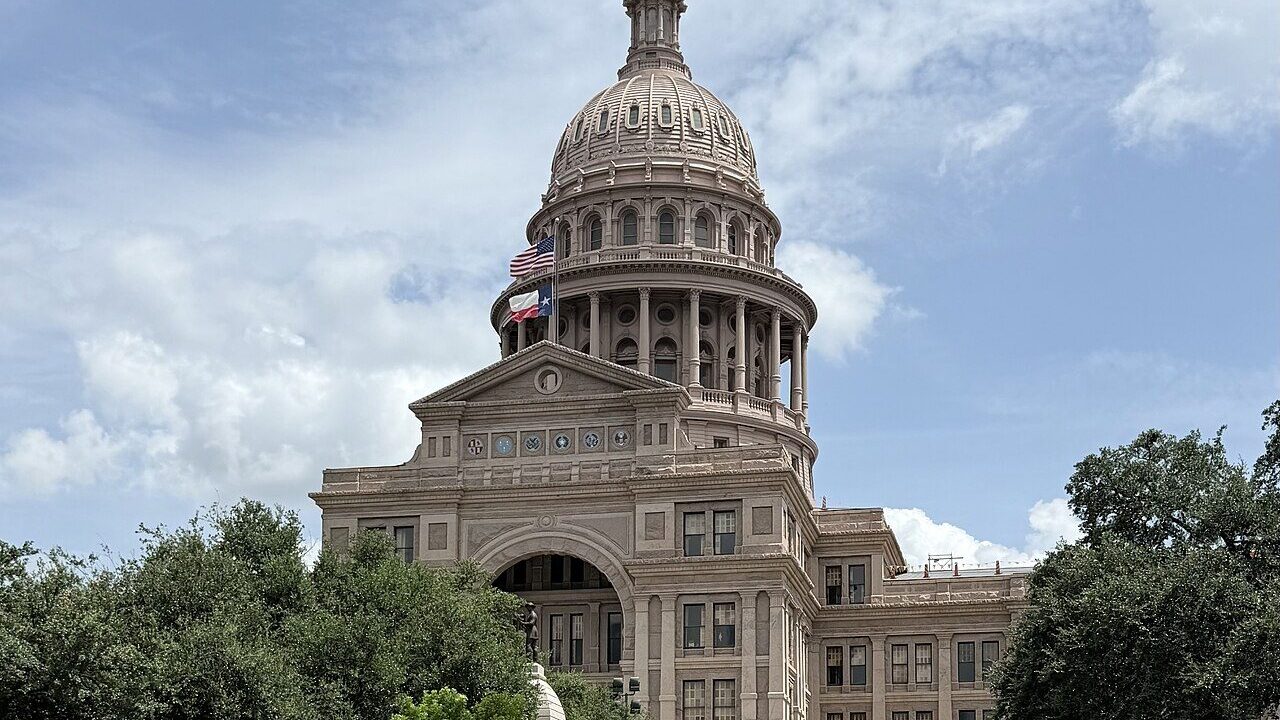
President Donald Trump returned to Texas this week to campaign for Republican Senate nominee Ken Paxton, telling supporters to pretend he was on the ballot, while a Reuters review found that nearly two-thirds of Republican candidates in closely contested congressional races have diverged from the president on at least some policy issues. Texas Politics reported the San Antonio rally, the interruptions by protesters, and recent polling putting the president's approval at a career low of 32 percent.
Both halves of that story can be true at once. A president campaigning in a state his party expects to hold is a turnout tool: the base events are designed to make sure supporters who love the rallies also vote in a midterm, when presidential-year voters often stay home. At the same time, candidates in competitive districts calculating that distance helps them is a familiar midterm pattern, and Reuters' review counts it rather than asserting it from anecdotes. Paxton's own reported private remark about the party's position adds a third layer: public loyalty, private anxiety. None of this decides Texas. It describes the tension inside a party defending a record while its leader remains its biggest asset and its biggest risk.
Campaign coverage rewards attention to mechanics as much as message. Polls measure a moment, ratings summarise expert judgment, and money decides which arguments voters actually hear. Our Politics desk treats each of those as evidence of a different kind, labelled as such, so a reader can tell the difference between a lead, a trend and a campaign's hope dressed as either.
Texas is large enough to contain both stories comfortably, but the pattern matters nationally. If the president's events move base turnout without moving persuadable voters the other way, the strategy works. If distance becomes the story in the districts that decide the House, the map gets harder for Republicans in the final month.
Watch the president's travel schedule and the competitive-district candidates' advertising. Rallies tell you where the party wants turnout; ad scripts tell you what candidates think their voters want to hear. The two will not always match, and the mismatch is the story to follow into November. Reporting note: this story was checked against at least two reputable reports or official records before publication, and it will be updated if the responsible authorities, leagues, companies or researchers publish materially new verified information.