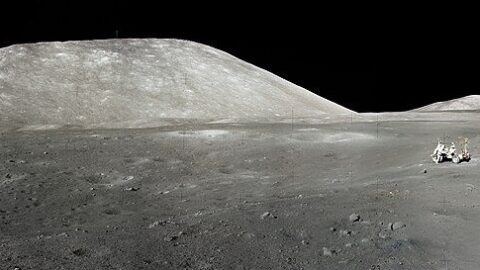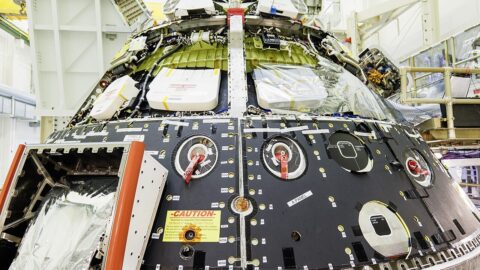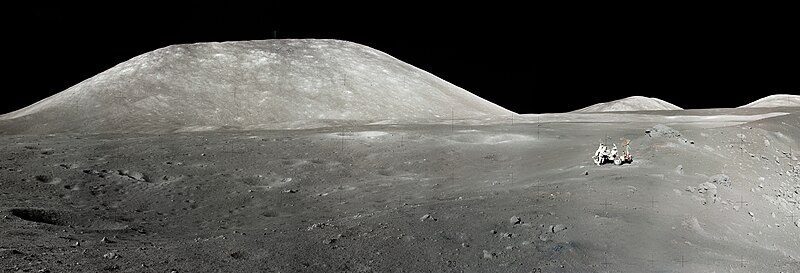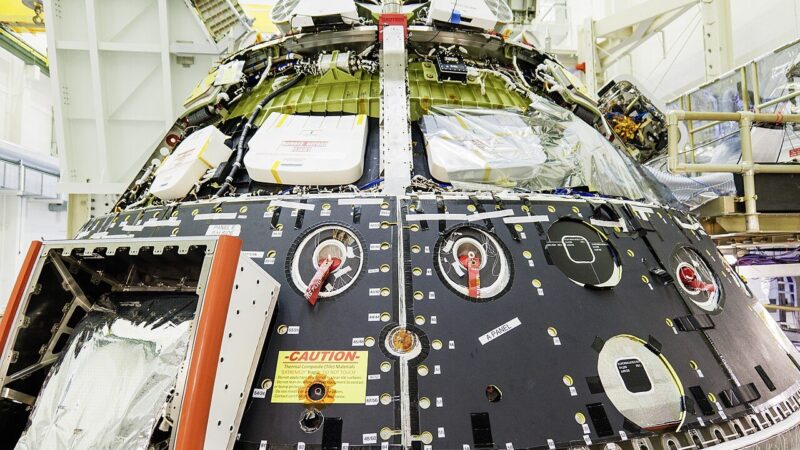
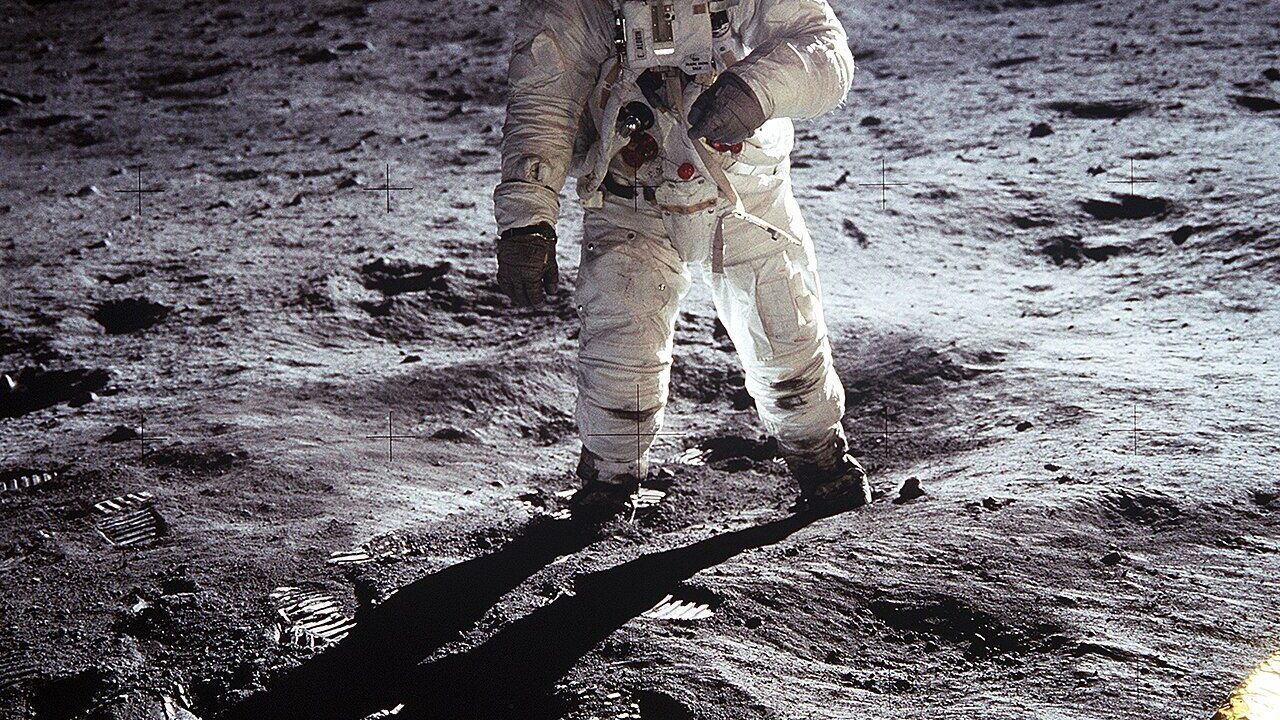
NASA has released more than 800 gigabytes of Artemis II material, including over eleven thousand full-resolution images and videos and eight and a half hours of crew audio, gathered when four astronauts flew around the Moon in April. Nature reported the October 7 release through the agency's Planetary Data System, calling it the first planetary science dataset captured primarily by humans in more than half a century.
The archive's value is that it is human observation, recorded as such. Crew members photographed terrain, annotated images by hand on a tablet during the flight, and described colours and features in real time, including subtle grey, brown, tan and green tones the preliminary report links to titanium-rich volcanic rock, varying iron content and glass formed by eruptions or impacts. Researchers can now compare those observations against Lunar Reconnaissance Orbiter data to understand how lighting and angle deceive even trained eyes, a practical problem for astronauts who will one day pick landing sites and driving routes by looking at them. The release includes material never previously published, and it is public: the same files a mission scientist downloads are available to any researcher, student or curious citizen with the bandwidth.
Science advances by claims that survive checking. The Science desk reads for the structure of the evidence, what was measured, in what system, with what uncertainty, and reports preliminary findings as preliminary. That caution is not a lack of enthusiasm. It is how the desk protects the reader's trust for the findings that turn out, on replication, to be real.
Apollo's archive is still generating papers fifty years later. Artemis II's was designed for the same fate, with the modern difference that release is immediate and universal. Planetary science advances fastest when data escapes the team that collected it, and 800 gigabytes of human-taken Moon data is an invitation the field has already accepted.
Expect a slow bloom rather than a single headline: crater studies, colour-and-composition maps checked against the crew's descriptions, and observation research on how humans see terrain from orbit. The December-to-2027 literature will show which of April's observations were first impressions and which were discoveries. Reporting note: this story was checked against at least two reputable reports or official records before publication, and it will be updated if the responsible authorities, leagues, companies or researchers publish materially new verified information.