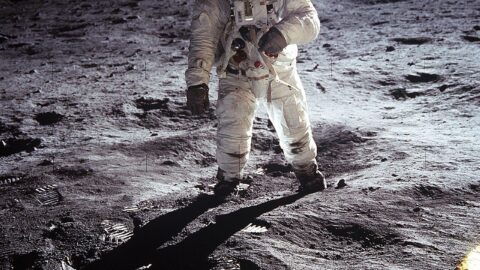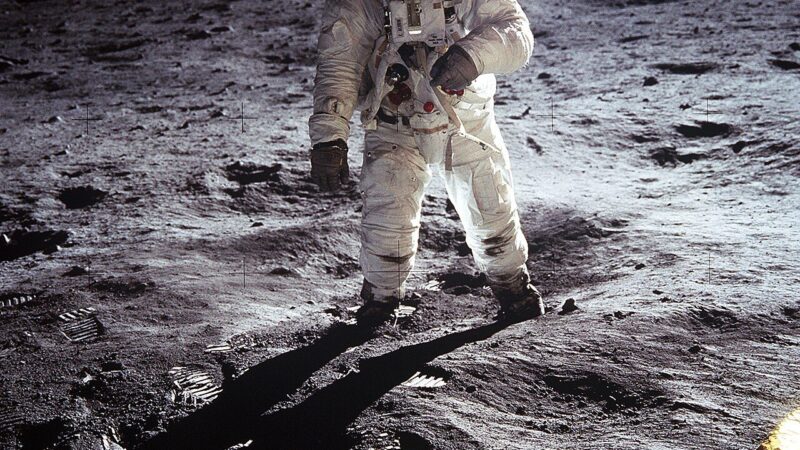
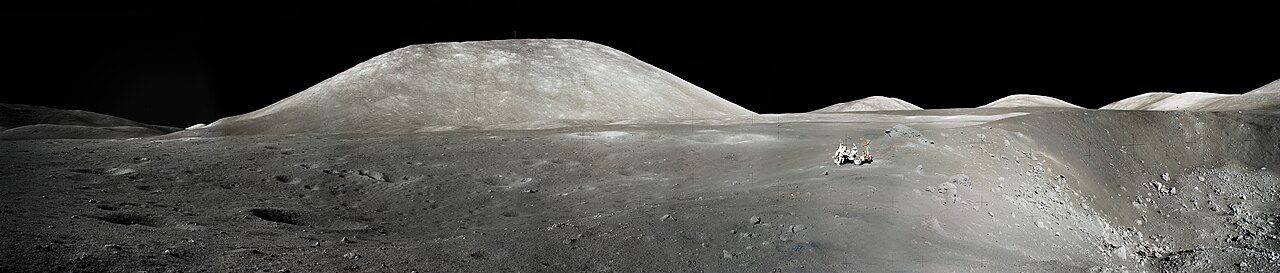
Several Earth microbes, led by the fungus Aspergillus, could survive in shaded niches on the Moon including crater floors miles wide, according to modelling published in Science Advances and reported this week. The study examined three bacteria species and Fusarium fungi against the Moon's ultraviolet radiation, heat, vacuum and particle radiation.
The ranking is instructive. Aspergillus was the most resilient, able to persist even with some sunlight exposure; Deinococcus radiodurans, famous for withstanding radiation, led the bacteria; Staphylococcus aureus and Bacillus subtilis were less hardy. Ultraviolet light and daytime heat, which can reach about 260 degrees Fahrenheit, were the biggest killers, which is why the survivable map consists of shadowed, sheltered places. The researchers are careful about what survival means: the study modelled persistence of cells, not growth or reproduction, although they note that burial, warmth and pockets of liquid water could in principle change that. The relevance runs in two directions. Spacecraft and future bases must avoid contaminating sites of scientific interest, and the same resilience informs how seriously to take the risk of Earth life reaching places, like lunar ice deposits, that scientists want to read as pristine records.
Science advances by claims that survive checking. The Science desk reads for the structure of the evidence, what was measured, in what system, with what uncertainty, and reports preliminary findings as preliminary. That caution is not a lack of enthusiasm. It is how the desk protects the reader's trust for the findings that turn out, on replication, to be real.
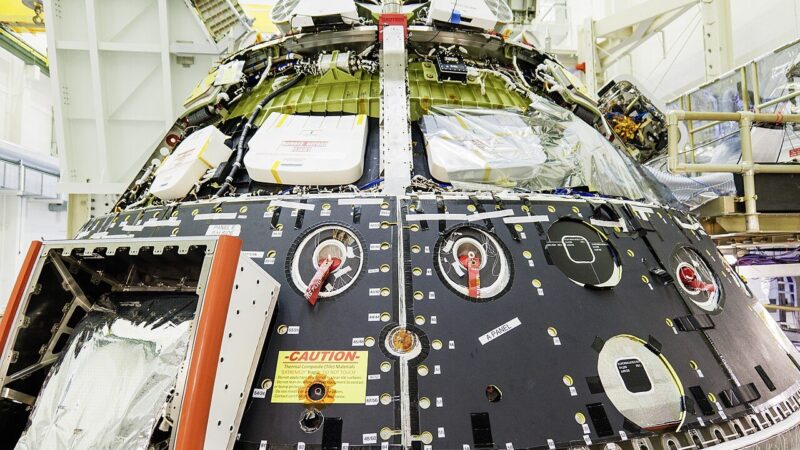
Planetary protection sounds abstract until there is a base to build. If common fungi can persist in lunar shadow, then sterilisation standards, landing-site choices and the handling of waste and water on the Moon become design questions now, while the hardware is still being drawn.
Laboratory exposure tests under combined lunar conditions are the natural follow-up to a modelling study, together with survey work on which polar niches combine shelter, ice and scientific value. The policy follow-through, how agencies write these results into mission rules, will matter as much as the biology. Reporting note: this story was checked against at least two reputable reports or official records before publication, and it will be updated if the responsible authorities, leagues, companies or researchers publish materially new verified information.