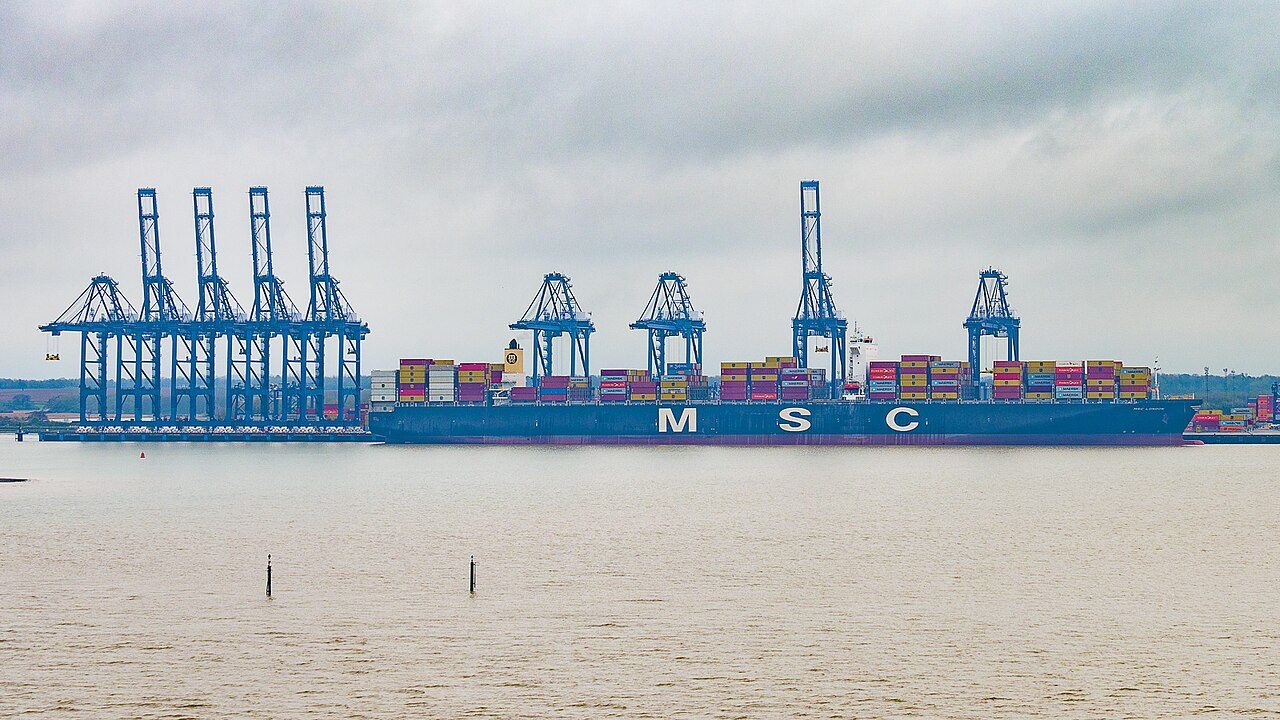
Global economic growth will likely slow to 2.6 percent in 2026, down from 2.9 percent last year, as the energy shock from the crisis in the Middle East tests the world economy, the United Nations trade and development agency said on Friday. Reuters reported UNCTAD's new trade and development assessment, including a projection that trade in goods and services will expand by 4 percent in constant prices after global trade reached a record 35 trillion dollars in 2025.
The detail inside the headline is uneven. UNCTAD estimates Asia will contribute 59 percent of global growth in 2026, with India expanding at 7.3 percent, China at 4.5 percent and Indonesia at 5.2 percent, while trade between China and the United States has fallen by more than 20 percent since 2024 and East Asia has expanded trade with both. AI products, led by semiconductors, are the main driver of merchandise trade, but the agency warns that booming AI trade does not automatically produce broad development gains, and that concentrated AI markets bring financial-stability risks. The wider forecasting family is gloomy in the same direction: the World Bank cut its global forecast to 2.5 percent in June, while the IMF, at 3 percent, has also flagged war, trade fragmentation and a possible AI correction.
Business news is easiest to misread at the level of a single session or a single forecast. Prices move on expectations before they move on results, and targets announced at investor days are graded slowly, in quarterly instalments. The Business desk's rule is to give the source and date of every figure, frame company goals as company goals, and let the follow-up reporting carry the verdict.
A slowdown to 2.6 percent is not a recession, but at world scale it means less room for governments carrying heavy debts, less trade growth for exporters to rely on, and a harder argument for central banks balancing energy-driven inflation against weakening demand. The regional split, fast Asia against a shock-hit energy market, is the story to remember.
The next evidence is the IMF's updated outlook and the earnings season now starting, where companies will report what energy and trade costs are actually doing to margins. Forecasts have agreed on the direction all year; the argument is about depth, and company results will test it first.