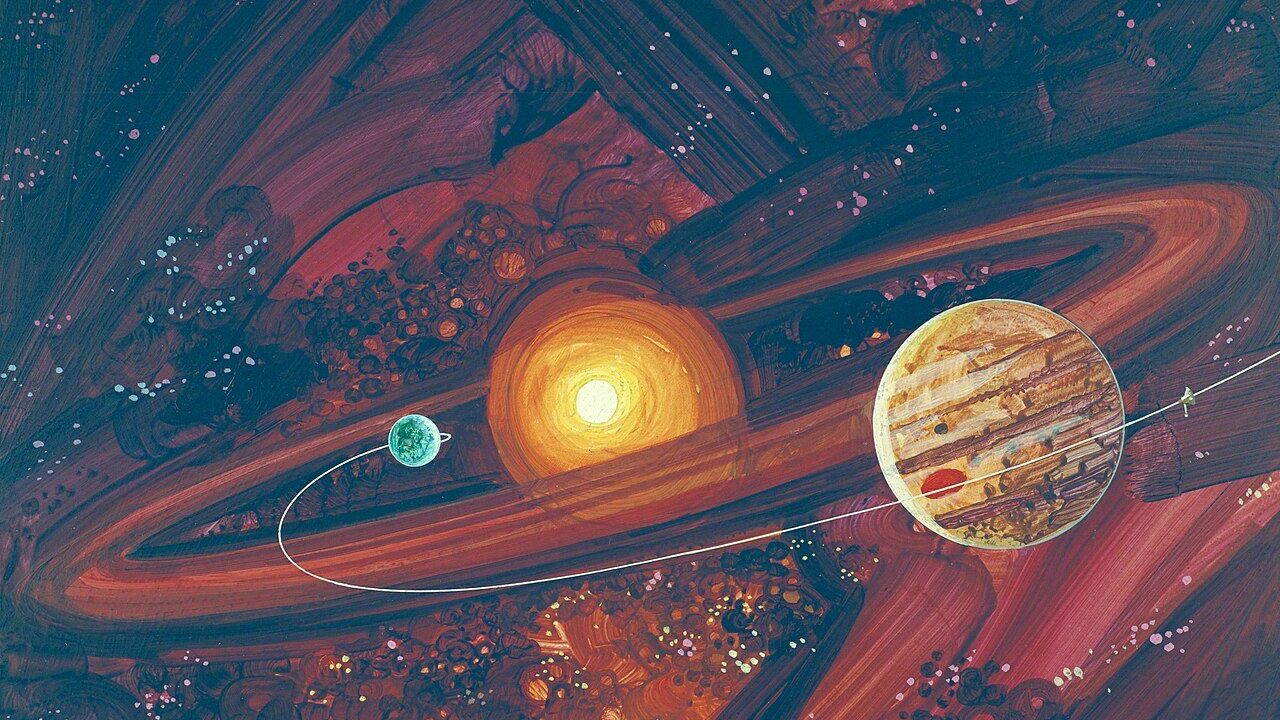
Two large asteroids have been found rotating at ultra-fast speeds, at rates that suggest the standard understanding of how such bodies hold together may need revision, according to a report carried in Friday's science coverage. Rocks in the asteroid belt spinning close to, or past, the speed at which their own gravity should keep them intact are a puzzle with a familiar name in the field: the spin barrier.
Most asteroids are not solid monoliths; they are rubble piles, loose assemblies of rock and dust held together by weak gravity and weaker friction. Spin one fast enough and it should fly apart or reshape itself, which is why surveys find a practical speed limit for larger bodies. Objects that appear to exceed it are telling researchers something: perhaps they are denser, more solid, or held together by cohesive forces stronger than assumed. Any of those answers changes how scientists model collisions, mining prospects and planetary defence, because a rubble pile and a solid body respond very differently to being pushed. The report is a summary of research findings, and the details that matter, sizes, periods and how the rotation was measured, sit in the underlying study.
Technology claims deserve a particular kind of reading: what was demonstrated, under what conditions, and who has checked it besides its maker. The Technology desk separates announcements from replications and laboratory results from shipped products, because the distance between a record set in a lab and a tool in a reader's pocket is where most technology stories quietly change their meaning.
Asteroids are both a hazard catalogue and a resource map, and both uses depend on knowing what these bodies are made of and how they behave. A spinning anomaly is a small headline with a long shadow: it reaches mission design, deflection planning and the basic physics of how planets were assembled.
Follow-up observation is the next step, to confirm the periods, measure shapes and test whether the bodies are denser than typical. Expect the study's numbers to be checked by other telescopes, because a claim that touches a known physical limit will be, and should be, replicated before it is believed. Reporting note: this story was checked against at least two reputable reports or official records before publication, and it will be updated if the responsible authorities, leagues, companies or researchers publish materially new verified information.