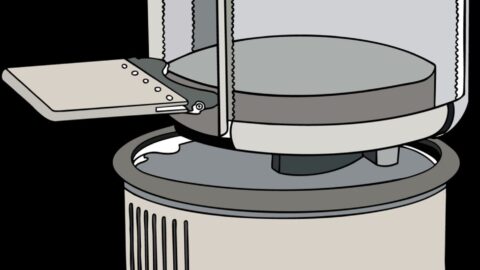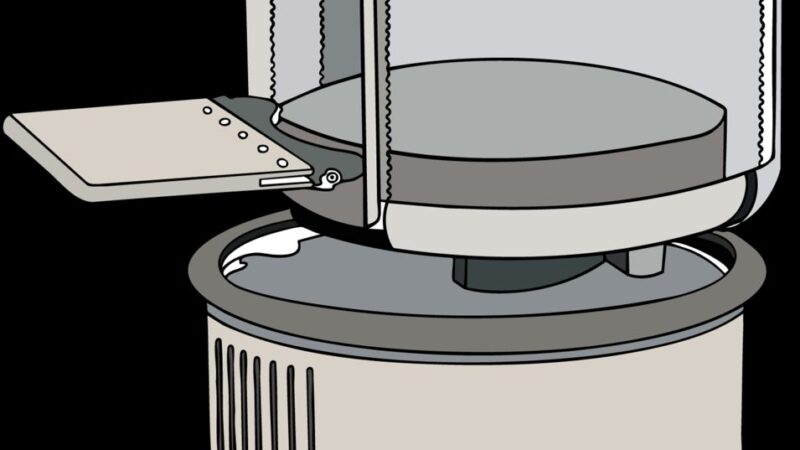
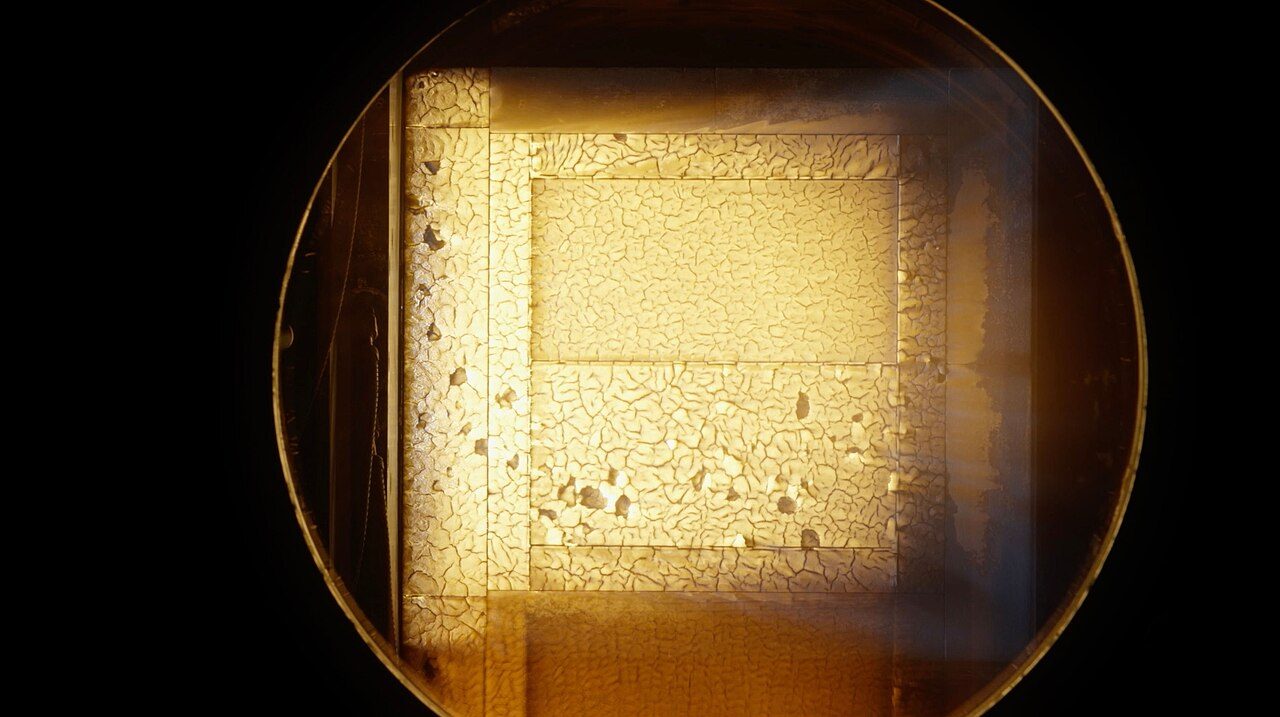
NASA is demonstrating next-generation heat shield technologies designed to keep astronauts safe as they return from missions beyond Earth orbit, according to coverage of the agency's testing programme carried in Friday's science news summaries. A returning capsule hits the atmosphere at speeds that turn its heat shield into the single component standing between the crew and plasma hotter than the surface of some stars.
Heat shields fail in only one memorable way, which is why the field advances by testing materials and structures to destruction on the ground before trusting them in flight. Modern systems, including ablative materials that char and carry heat away and newer woven and deployable designs, aim to protect larger vehicles returning from the Moon and Mars, where entry speeds are far higher than a return from low Earth orbit. NASA's demonstration work matters commercially as well as for its own crews, because cargo landers, sample returns and private stations all need to come back through the same wall of heat. A heat shield is also mass: every kilogram of protection is a kilogram not spent on science, supplies or propellant, so efficiency is safety's twin requirement.
Technology claims deserve a particular kind of reading: what was demonstrated, under what conditions, and who has checked it besides its maker. The Technology desk separates announcements from replications and laboratory results from shipped products, because the distance between a record set in a lab and a tool in a reader's pocket is where most technology stories quietly change their meaning.
Spaceflight's glamorous moments are launches and landings, but its survival moments are re-entries, and they happen at the end of every crewed mission when the crew is most tired and the vehicle most worn. Better shields widen the map: more returning mass, from more distant places, with more margin.
The evidence to watch is test data: arc-jet and flight-demonstration results, which materials are selected for Artemis-era vehicles, and whether deployable shields move from experiment to manifest. In this field, a successful destructive test on the ground is the best news a programme can publish. Reporting note: this story was checked against at least two reputable reports or official records before publication, and it will be updated if the responsible authorities, leagues, companies or researchers publish materially new verified information.