
The CDC’s measles count hit 4,410 this week. Behind the number is a story of epidemiology: how the virus spreads, why it is so contagious, and why vaccines work.
Measles has a basic reproduction number, R0, of 12 to 18. One infected person can spread it to a dozen or more others in a susceptible population. It is among the most contagious viruses known, and it lingers in the air for up to two hours after an infected person leaves.
The 8 percent weekly growth reported by KFF Health News is the mathematics of R0 in action. When vaccination coverage slips below the herd-immunity threshold, around 95 percent for measles, the virus finds its openings.
Why vaccines work
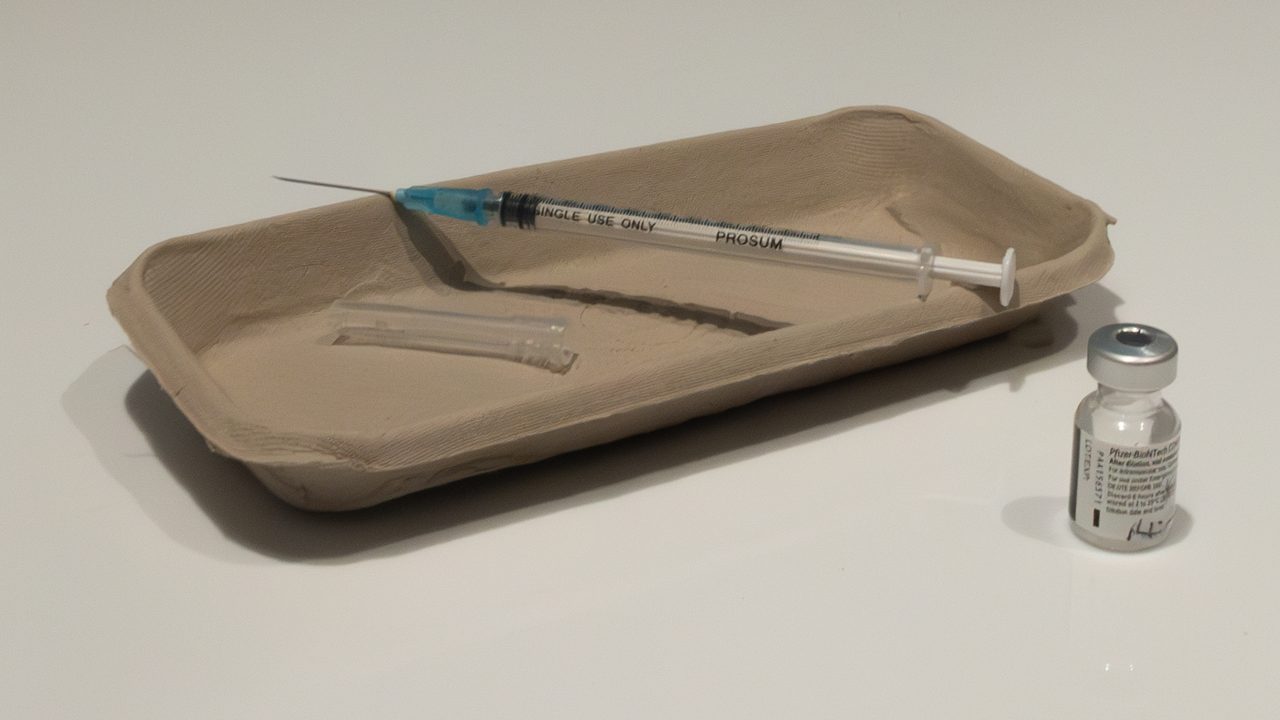
The measles vaccine is 97 percent effective after two doses. It works by training the immune system to recognise the virus before exposure, a principle confirmed by Nobel-winning immunology and decades of data. Early detection matters in cancer; in measles, prevention matters more.
Breakthrough infections, like the vaccinated DuPage County case, are rare and typically mild. They do not mean the vaccine failed; they mean it was tested by intense exposure.
The science of stopping it
Epidemiologists know how to stop measles: vaccinate above 95 percent, trace contacts fast, and isolate cases. KFF Health News reports the CDC’s testing assistance was delayed, a gap the science says the virus exploits.
4,410 cases are a failure of coverage, not of science. The epidemiology is clear.