Exposing animal models to simulated microgravity combined with galactic cosmic radiation and solar particle events produced changes in genes tied to ageing, fibrosis and inflammation, according to research published in GeroScience and reported by MedicalXpress. The simulated deep-space environment was built at the NASA Space Radiation Laboratory to mimic doses a crew might receive on a Mars journey.
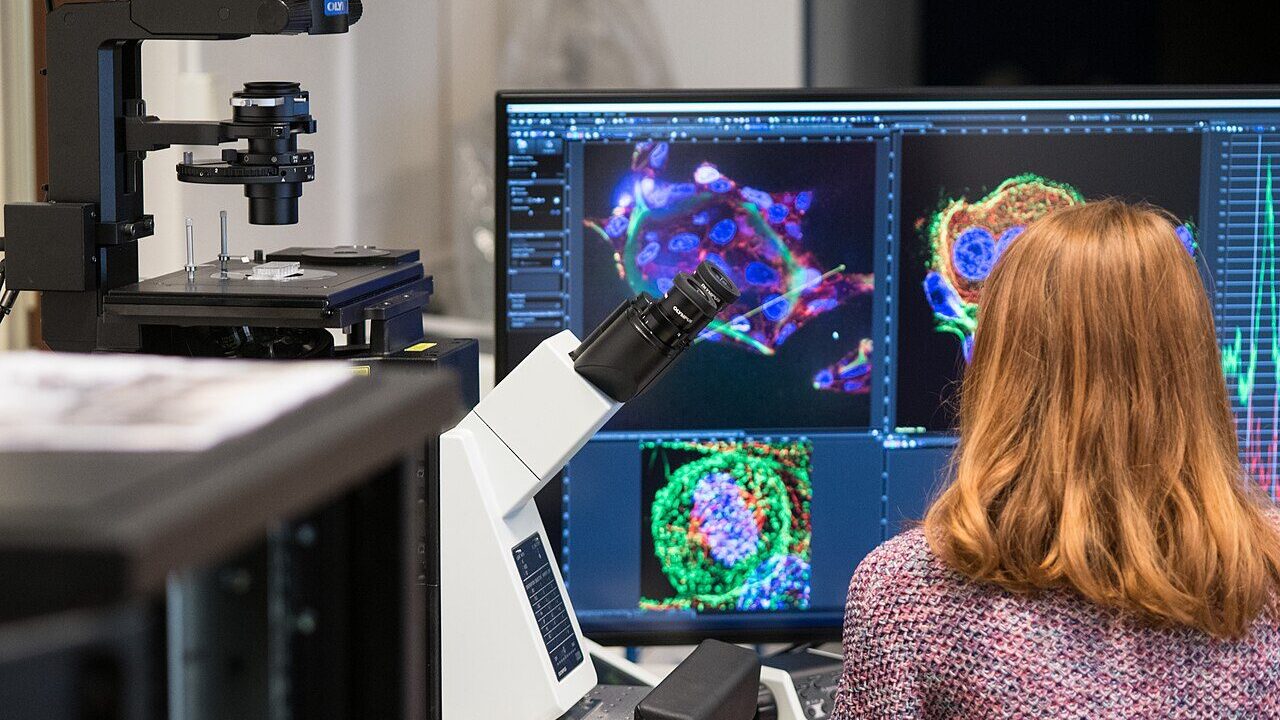
The study's design is the point to understand. Rather than examining one stress at a time, the team combined fourteen days of simulated weightlessness with radiation at two representative doses, then measured a panel of microRNAs and genes grouped by pathway, including cell-cycle, senescence and inflammatory routes. Pathway-level changes were seen across the conditions, and a treatment arm tested whether blocking a specific molecule could soften the response, an early step toward countermeasures rather than mere description. Animal-model results require the usual discipline: they show what radiation and unloading can do to biology under laboratory conditions, not what will happen to a specific astronaut. The researchers' own caution, that longer exposure could mean greater damage, is an argument for the study's relevance to mission duration, not a prediction about any crew.
Health reporting carries a duty other beats do not: readers may act on it. Our Health desk therefore attributes findings to the study or agency that produced them, states the population and method in plain terms, and repeats the limits researchers acknowledge. A news story can inform a conversation with a clinician. It should never try to replace one.
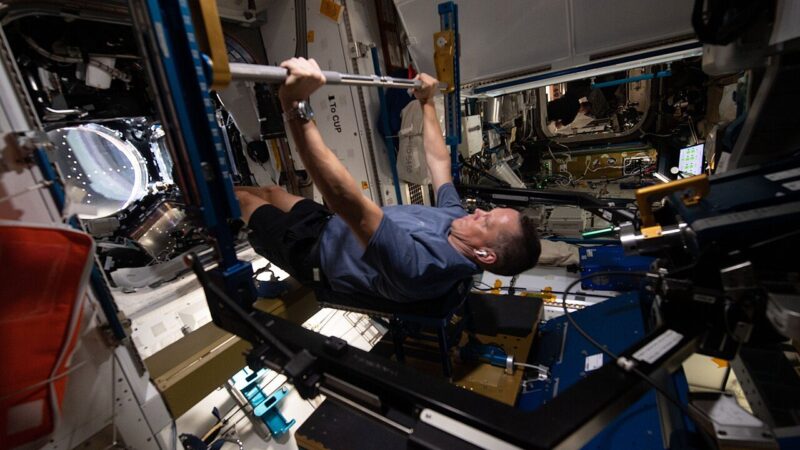
Radiation is the problem Mars planners cannot engineer away with a bigger exercise bike. Understanding which pathways it perturbs, in combination with weightlessness rather than in isolation, is how pharmacological countermeasures get designed, and the same senescence pathways are studied intensively in ordinary ageing research.
The next steps are longer exposures, human-cell work and testing whether the protective intervention survives replication. For mission design, this literature feeds shielding and duration decisions; for medicine on Earth, it feeds the growing map of how stress accelerates cellular ageing and what might slow it. Reporting note: this story was checked against at least two reputable reports or official records before publication, and it will be updated if the responsible authorities, leagues, companies or researchers publish materially new verified information.