
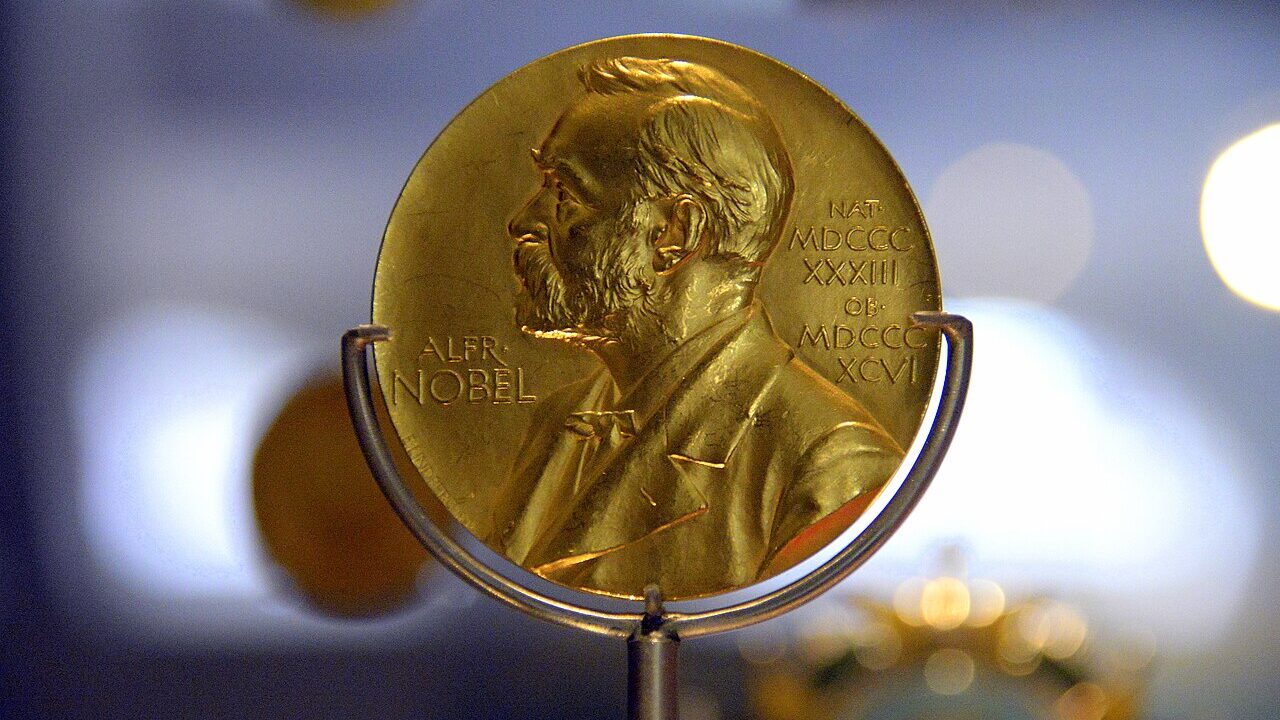
Scientists who worked out how to control brain cells with light have won the 2026 Nobel Prize in Physiology or Medicine. Karl Deisseroth, Peter Hegemann and Georg Nagel were honored “for their discoveries concerning light-gated ion channels and optogenetics,” the Nobel Assembly at Karolinska Institutet announced. The trio will share the 12 million Swedish kronor ($1.2 million) prize. “This method makes it possible to switch on, or off, the activity of individual nerve cells in a living brain,” said Thomas Perlmann, the Assembly’s secretary-general.
The story begins with a single-celled alga. In the early 1990s, Hegemann investigated how Chlamydomonas senses light; with Nagel, he identified channelrhodopsin — a protein that opens an ion channel when blue light hits it, sending an electrical signal. In 2003 they showed it worked in frog eggs and mammalian cells. At Stanford, Deisseroth demonstrated it in rat nerve cells in 2005 — including controlling the movements of mouse whiskers by activating specific neurons — and the method was named optogenetics in 2006.
From lab tool to therapy
Optogenetics is now used in laboratories worldwide to reveal the brain’s mysteries, letting researchers move from observing that a brain region is active to proving that a specific circuit causes a behavior. The clinical promise is real: in September, the FDA accepted Nanoscope Therapeutics’ Biologics License Application for Mogenry, an optogenetic gene therapy for retinitis pigmentosa, with a decision due in the first half of 2027. One of its light-sensitive components is an engineered channelrhodopsin developed by Nagel’s longtime collaborator.
A prize for patience
“It was a complete surprise,” Deisseroth said, describing the early-morning call that woke him. All three laureates told the Assembly they were delighted to receive it together, calling each other friends. The medicine prize traditionally opens Nobel week — and this year’s choice honors a technique that, as one committee member put it, provides “opportunities for mapping the brain in a way that we could once only dream of.”