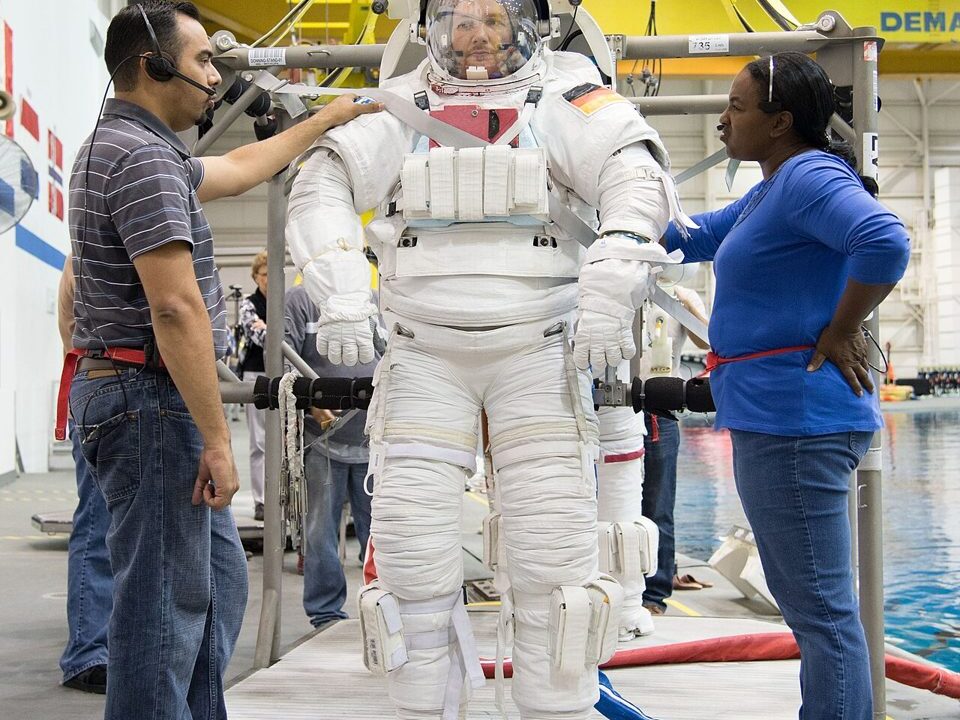
NASA's Crew-13 mission to the International Space Station will carry a package of human-health studies tracking blood, blood vessels and exercise, the agency has announced, with select crew members also joining three further investigations. Phys.org's report on the programme said the studies aim to establish whether B vitamins influence how crew members' blood vessels function before and after flight.
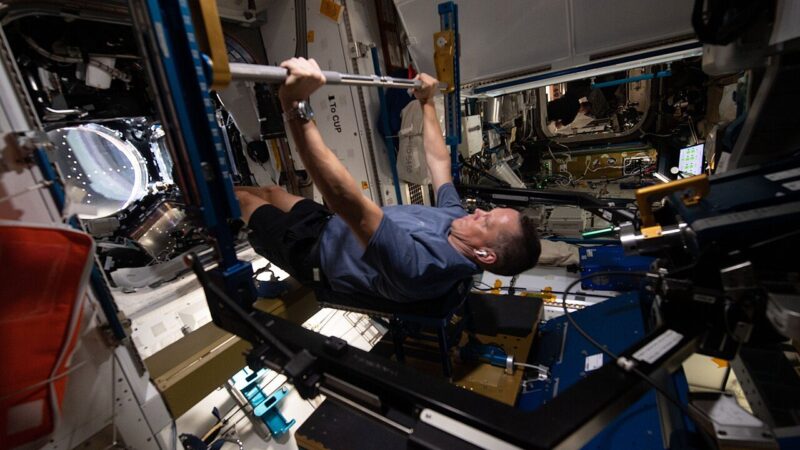
The design reflects how space medicine now works: every crew rotation is also a cohort. Alongside the headline study, Standard Measures collects consistent physiological and behavioural data from as many astronauts as possible to build baselines, Spacecraft Occupant Risk measures the forces crews experience at landing to refine injury prevention, and Zero T2 compares crew who use the station treadmill for aerobic exercise with those who do not. That last comparison is quietly important for vehicle design, because deep-space craft may be too small for a treadmill. If equivalent health can be maintained without one, a design constraint that shapes spacecraft disappears. NASA's human research chief scientist framed the package as preparation for sending crews farther, to lunar surface work and eventually Mars, on evidence rather than assumption.
Health reporting carries a duty other beats do not: readers may act on it. Our Health desk therefore attributes findings to the study or agency that produced them, states the population and method in plain terms, and repeats the limits researchers acknowledge. A news story can inform a conversation with a clinician. It should never try to replace one.
Most people will never fly in space, but the research pipeline runs both ways. Vascular ageing, enforced inactivity, radiation exposure and remote monitoring are problems shared with hospital wards and submarines, and countermeasures proven on the station have a habit of turning up in rehabilitation and occupational medicine.
Crew-13's data will accumulate across the mission and the post-flight recovery period, when the most instructive changes happen. Results will arrive in papers over the following years rather than as a single announcement. For mission planners, the treadmill question should be answered in time to matter for the vehicles now on drawing boards. Reporting note: this story was checked against at least two reputable reports or official records before publication, and it will be updated if the responsible authorities, leagues, companies or researchers publish materially new verified information.